
The evolution of gambling A journey through history's games and wagers
Ancient Beginnings of Gambling
The history of gambling can be traced back thousands of years, with evidence of games of chance found in ancient civilizations like Mesopotamia, China, and Egypt. In Mesopotamia, dice dating back to 3000 BC suggest that people were already wagering on outcomes. Similarly, the Chinese Han Dynasty utilized bamboo sticks as early forms of lottery, while the Egyptians played various board games that incorporated elements of chance. These early examples reflect a human fascination with risk and reward that transcends cultural boundaries. Even today, sites like crazytower-ca.com continue to engage those who enjoy games of chance.
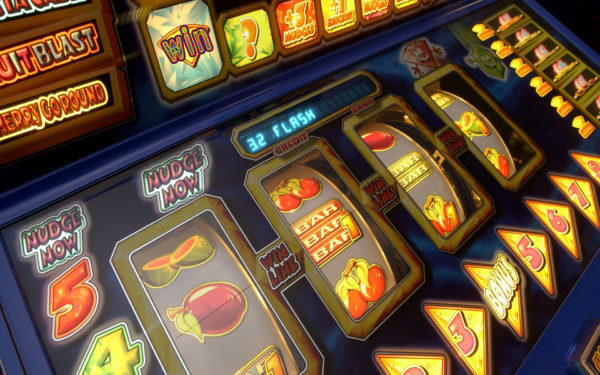
As society evolved, gambling began to merge with religious and social practices. In ancient Rome, games of chance were often associated with festivals and celebrations, providing entertainment while also serving as a means for acquiring wealth. By 400 AD, the Romans had established legalized gambling, indicating societal acceptance. This duality of enjoyment and risk-taking laid the groundwork for gambling’s integration into various aspects of everyday life.
Moreover, as various cultures interacted through trade and conquest, the exchange of gambling practices and games became prevalent. The spread of dice games and card games across continents fostered a communal sense of engagement and competition. These ancient practices established a legacy that would influence future gambling trends, showcasing how deeply entrenched the concept of gambling is within human society.
The Middle Ages and the Rise of Betting
The Middle Ages marked a transformative period for gambling, particularly with the introduction of more structured games. During this time, the emergence of playing cards—believed to have originated in China—revolutionized gaming. By the 14th century, cards had made their way to Europe, where various styles and games rapidly proliferated. This era saw the birth of popular card games, including poker and blackjack, which would become staples in modern gambling.
In addition to card games, the Middle Ages also brought about the formalization of betting on various sporting events. Jousting tournaments and other competitive events attracted wagers from spectators, and this culture of betting laid the foundation for modern sports betting. The regulatory frameworks began to emerge, with authorities seeking to control the gambling environment, leading to early gambling laws in different regions of Europe.
During this time, gambling also gained a reputation as a source of moral and ethical debates. Many viewed gambling as sinful, leading to numerous bans and restrictions imposed by religious and governmental bodies. However, despite the pushback, gambling continued to thrive, indicating its deeply ingrained presence within society and highlighting the perennial human attraction to risk and chance.
The Age of Enlightenment and Legalization
The Age of Enlightenment introduced a more progressive view of gambling, coupled with a growing acceptance of individual freedoms. By the 17th and 18th centuries, gambling houses began to emerge, providing structured environments for various games of chance. This period marked a significant shift as governments recognized the potential tax revenues associated with regulated gambling establishments. The establishment of casinos, particularly in places like Venice, set a precedent for future gambling venues.
During this era, lottery systems gained popularity as governments sought to fund public projects. Many European nations, including England and France, established state-sponsored lotteries, integrating gambling into the financial fabric of society. This trend set the stage for the modern lottery systems we see today, as they provided a legitimate means for citizens to engage in gambling while also contributing to the public good.
The Enlightenment also led to the emergence of gambling literature and philosophy, as thinkers began to explore the mathematics of probability and game theory. This intellectual curiosity laid the groundwork for the understanding of odds and risk management in gambling, transforming it from mere chance to a calculated endeavor. The blend of regulation, acceptance, and intellectual exploration during this period significantly influenced modern gambling practices.
The 19th and 20th Centuries: Innovations and Prohibition
The 19th century saw a dramatic expansion of gambling, particularly in the United States. The gold rush and westward expansion led to the establishment of gambling towns, where individuals sought fortune in both mining and games of chance. This era also birthed iconic games such as roulette and the slot machine, which became a mainstay in American gambling culture. The rise of these games represented not just a form of entertainment but also a societal shift towards embracing risk in hopes of achieving prosperity.
However, the increasing popularity of gambling also drew attention from reformers who sought to impose restrictions. The early 20th century marked a significant backlash against gambling, culminating in the prohibition era, which saw widespread anti-gambling sentiments and legal crackdowns. Despite these efforts, underground gambling operations flourished, demonstrating that the human inclination toward gambling remained resilient and deeply rooted.
As the mid-20th century approached, attitudes began to change again, leading to a resurgence in legalized gambling. Las Vegas emerged as the epicenter of this revival, with the establishment of glamorous casinos and entertainment complexes. This era not only redefined the gambling landscape but also shifted perceptions, portraying gambling as a legitimate form of entertainment rather than a vice, paving the way for modern gambling culture.
The Digital Age and the Future of Gambling
The advent of the internet in the late 20th century revolutionized gambling once again, giving rise to online casinos and sports betting platforms. Digital gambling allowed users to engage in games from the comfort of their homes, expanding access to a global audience. This technological innovation has transformed the gambling landscape, creating a diverse array of gaming options and attracting younger generations who are increasingly comfortable with online interactions.
As technology continues to advance, the future of gambling looks bright. Virtual reality and blockchain technology are emerging as potential game-changers. Virtual reality casinos offer immersive experiences, while blockchain promises enhanced transparency and security in online transactions, potentially restoring trust in digital gambling platforms. The integration of technology into gambling practices signifies a new chapter, where traditional practices merge with innovative solutions.
However, this digital evolution also raises concerns regarding responsible gambling and addiction. As accessibility increases, so does the risk of problem gambling, prompting calls for more robust regulations and support systems. The ongoing conversation surrounding responsible gambling will likely shape the future policies and practices within the industry, ensuring that while the games evolve, the welfare of participants remains a priority.

Conclusion and Reflections on Gambling’s Journey
The evolution of gambling is a testament to humanity’s complex relationship with risk and reward. From ancient rituals to modern online platforms, gambling has woven itself into the fabric of societies across the globe. This journey reflects broader changes in societal values, legal frameworks, and technological advancements. Each phase of gambling history has contributed to the rich tapestry of games and wagers we see today.
As the landscape continues to evolve, it is crucial to consider both the benefits and challenges associated with gambling. The balance between entertainment, revenue generation, and responsible participation will be key in shaping the future of gambling. Ongoing discourse surrounding ethics, regulation, and technological innovation will further guide this journey, ensuring that gambling remains a dynamic and engaging aspect of human life.